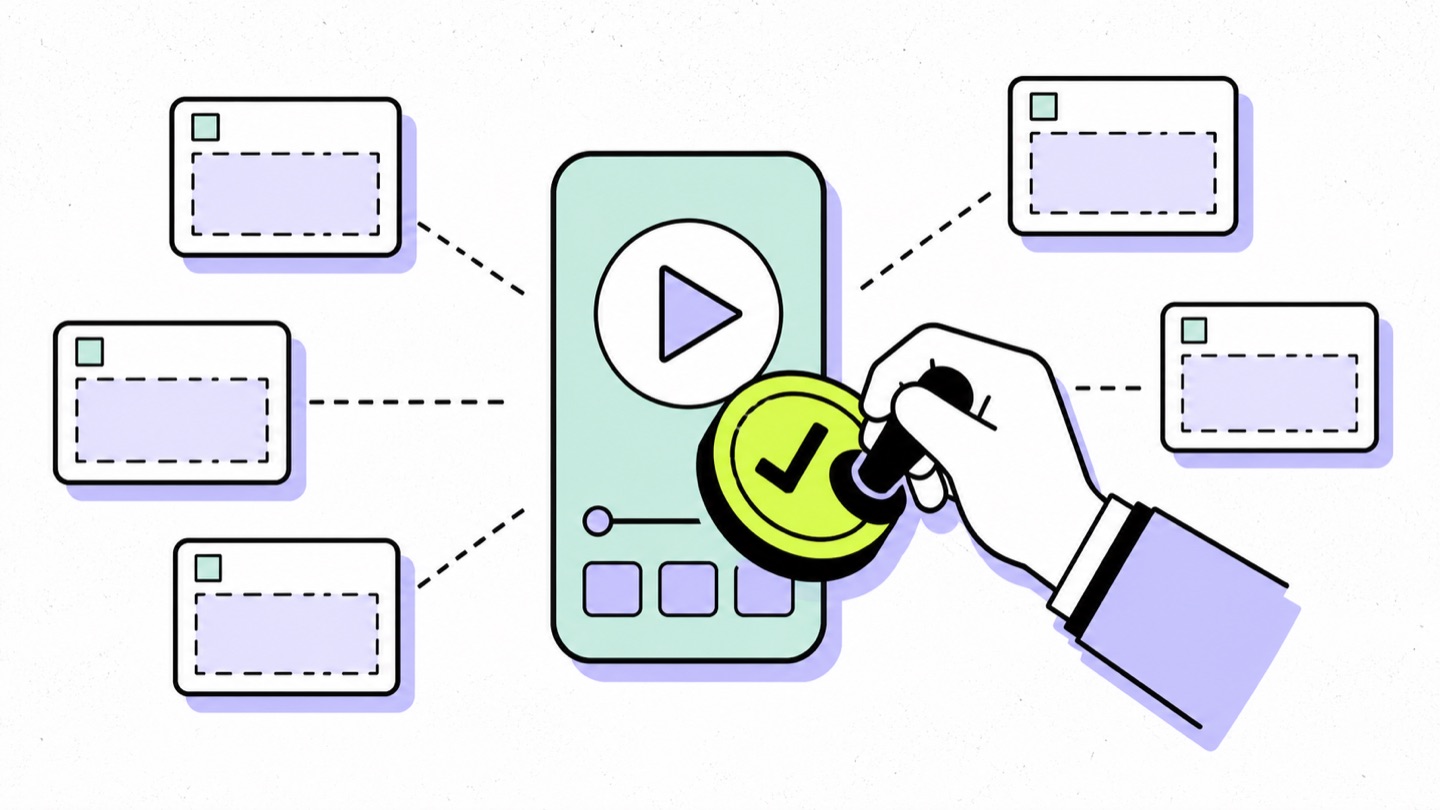
Two UGC creators can make the identical video and get paid wildly different amounts. The gap is almost never the content — it's the usage. The content fee covers making the video once; the usage fee covers where the brand runs it, for how long, and how hard it works for them. Miss it, and you've handed over an ad campaign for the price of a single clip.
Here are the clauses that decide your real rate, what each one means, and roughly how to price it.
Content fee vs. usage fee: the split that matters
Always separate the two on your invoice. The content fee is the cost of producing the video — your time, setup, and revisions. The usage fee is a license: it grants the brand the right to *use* that video in specific places for a specific time. Organic use (they post it once to their own feed) is the cheapest tier. Everything beyond that is worth more, and should be billed as more.
Clause 1 — Paid usage (ads)
The big one. The moment your video runs as a paid ad, it's no longer a post — it's media the brand is spending money to push. Price it by duration and platform, typically per 30 or 90 days of ad rights. A common structure is a percentage of your content fee added per usage window, so a longer or multi-platform campaign costs more than a two-week test.
Clause 2 — Whitelisting (and Spark Ads)
Whitelisting means the brand runs ads *through your handle* — the ad appears to come from you, using your name and credibility. This is the highest-premium clause you'll price, because you're lending your identity, not just your content. Charge a meaningful premium on top of standard paid usage, and cap the duration.
Clause 3 — Exclusivity
Exclusivity means you agree not to work with competing brands for a period. That's you turning down future income, so it must be paid for — priced by how broad the category is and how long the lockout lasts. "No other skincare brands for 6 months" is a real cost; bill it like one.
Clause 4 — Duration and perpetuity
Watch for the words "in perpetuity" or "unlimited usage." That means the brand can run your content forever, everywhere, with no additional pay. It's the most expensive right you can grant, so either decline it or charge a large multiple. Time-box everything: rights should expire and renew, not run indefinitely.
If it isn't written down, assume it's organic-only, and re-quote the moment that changes.
Red flags to catch before you sign
- "All platforms, all uses": vague catch-alls that quietly hand over paid, whitelisting, and perpetual rights at once.
- No end date: usage with no expiry is perpetual usage by another name.
- Usage added after delivery: a brand that upgrades to paid ads later owes you a new usage fee. Say so upfront.
Spotting these clauses, pricing them, and making sure the brand pays for the rights they actually take is exactly what I handle on every deal. I read the terms, separate content from usage, and hold the line on the clauses that are worth the most, so you're never running a brand's ad campaign for the price of one post. Want me to handle that read for you? Say hi in the chat. Free during early access.
FAQ
What's the difference between usage and whitelisting? Usage is the brand running your content as their own ad. Whitelisting is them running ads *through your handle*, so it looks like you posted it — a bigger ask, and a bigger fee.
How much should I charge for usage rights? There's no fixed figure, but price by window and platform — commonly a percentage of your content fee per 30 or 90 days of paid use, with whitelisting and perpetuity commanding steep premiums.
What if a brand asks for usage after the video is delivered? That's a new license and a new invoice. Make it clear from the start that expanding usage means an additional fee.